
Introduction
As the world moves towards cleaner and more sustainable energy sources, biochar has emerged as a game-changer in the fight against climate change. While traditionally known for its agricultural benefits, biochar is now recognized for its potential in renewable energy production, carbon sequestration, and waste management.
From a financial consulting perspective, biochar production is not just an environmental initiative—it is a lucrative business opportunity. The sector offers multiple revenue streams, eligibility for carbon credits, and strong government backing through grants and incentives. This blog explores biochar’s role in sustainable energy, its financial benefits, investment potential, and the risks businesses must consider before entering the market.
What is Biochar?
Biochar is a carbon-rich material produced by pyrolysis, a process that heats organic waste (such as agricultural residues, wood chips, and manure) in a low-oxygen environment. This thermal decomposition converts biomass into biochar while also generating valuable byproducts:
- Biochar – Used in soil enhancement, water filtration, construction materials, and carbon sequestration.
- Syngas – A mixture of gases (mainly hydrogen and carbon monoxide) used for power generation.
- Bio-oil – A liquid fuel that can be refined into biodiesel or other industrial chemicals.
These byproducts offer multiple revenue streams, making biochar production financially attractive.
The Role of Biochar in Sustainable Energy
1. Carbon Sequestration and Emission Reduction
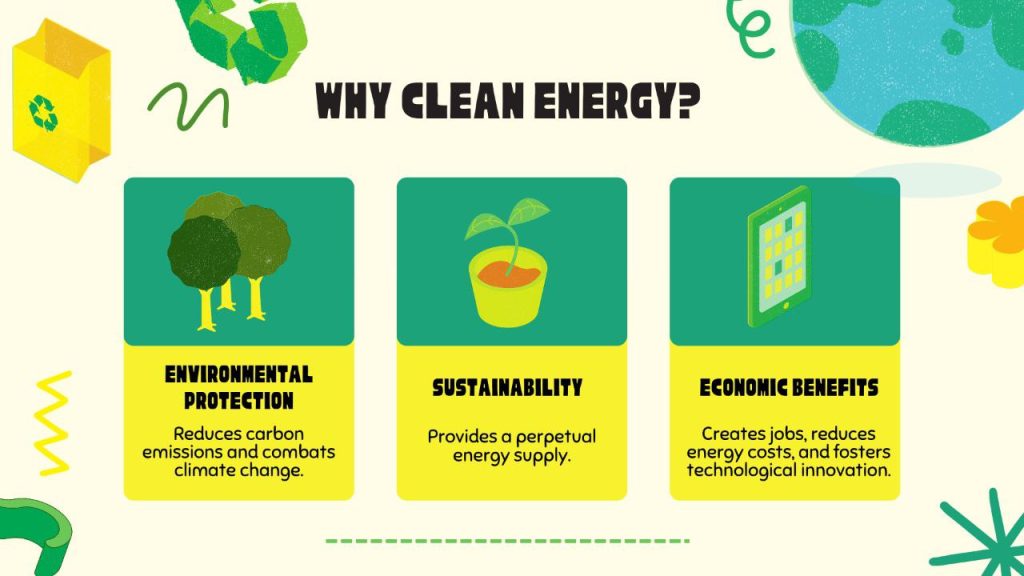
Biochar is one of the most effective carbon sequestration solutions available today. Unlike other organic materials that decompose and release CO₂ back into the atmosphere, biochar locks carbon into the soil for centuries. This makes it a crucial tool in reducing global greenhouse gas emissions.
2. Renewable Energy Production
The pyrolysis process used in biochar production releases syngas and bio-oil, both of which can be utilized as renewable energy sources:
- Syngas can be used in power plants or converted into hydrogen fuel.
- Bio-oil can replace fossil fuels in industrial applications or be refined into biodiesel.
These energy outputs make biochar production not only sustainable but also a profitable clean energy investment.
3. Waste Management and Circular Economy
Biochar production enables efficient utilization of agricultural and forestry waste, reducing environmental pollution. Rather than burning crop residues, which contributes to air pollution (as seen in stubble burning issues), converting them into biochar provides both environmental and economic benefits.
Financial Benefits of Investing in Biochar
The biochar industry is gaining momentum due to its economic viability and increasing government support. Here’s how businesses and investors can profit from biochar production:
1. Revenue from Carbon Credits and ESG Investments
Governments and corporations are aggressively seeking ways to offset carbon emissions. Since biochar locks carbon in the soil, businesses producing and utilizing biochar can earn carbon credits, which can be sold in carbon markets.
Additionally, investors focused on Environmental, Social, and Governance (ESG) criteria are actively looking for sustainable projects, making biochar an attractive sector for green investments.
2. Multiple Revenue Streams
Unlike other renewable energy projects, biochar production generates income from several sources:
- Biochar Sales – Sold for agricultural, industrial, and environmental applications.
- Energy Production – Revenue from syngas and bio-oil sales.
- Carbon Credits – Monetization through carbon trading schemes.
- Waste Management Fees – Businesses can charge for processing agricultural waste into biochar.
3. Government Grants and Incentives
Several governments worldwide, including Australia, the US, and the EU, offer financial support for biochar initiatives. These include:
- Grants for biochar research and production facilities
- Tax incentives for sustainable energy businesses
- Subsidized loans for setting up biochar plants
By leveraging these incentives, businesses can significantly reduce their capital expenditure (CapEx) and operational costs (OpEx).
4. Growing Market Demand
The demand for biochar is increasing across multiple industries:
- Agriculture – Enhancing soil fertility and reducing reliance on chemical fertilizers.
- Construction – Used in making carbon-neutral building materials.
- Water Treatment – Biochar acts as a natural filter for heavy metals and pollutants.
- Animal Feed – Used as a dietary supplement for livestock.
With diversified applications, biochar businesses have access to a broad market, ensuring long-term profitability.
Challenges and Risk Mitigation Strategies
While biochar offers substantial financial opportunities, businesses must also navigate potential challenges. Here are some risks and strategies to mitigate them:
1. High Initial Investment Costs
Setting up a biochar production facility requires significant capital for equipment, land, and technology. Mitigation strategy:
- Apply for government grants and subsidies.
- Partner with agricultural firms, waste management companies, or energy providers to share costs.
- Seek impact investors who focus on green projects.
2. Regulatory and Compliance Challenges
Biochar production is subject to environmental regulations that vary by country. Mitigation strategy:
- Conduct thorough regulatory assessments before setting up operations.
- Work with financial consultants to ensure tax compliance and maximize available incentives.
3. Market Volatility
The biochar market is still developing, with fluctuating demand and pricing. Mitigation strategy:
- Diversify revenue streams by selling biochar, carbon credits, and energy byproducts.
- Establish long-term contracts with agricultural and industrial buyers.
The Future of Biochar: A Smart Investment for Businesses
With the rising global focus on climate action and sustainability, biochar is set to play a critical role in the carbon economy. Its ability to generate multiple revenue streams, qualify for carbon credits, and benefit from government incentives makes it an attractive investment opportunity.
Why Businesses Should Act Now
- The global push for net-zero emissions is accelerating biochar adoption.
- Carbon credit markets are growing, increasing the profitability of biochar projects.
- Early adopters can establish themselves as leaders in the biochar industry, gaining competitive advantages.
Conclusion: Turning Sustainability into Profitability
Biochar production is not just an environmental necessity; it is a strategic financial opportunity. Businesses that invest in biochar can benefit from sustainable revenue streams, government incentives, and growing market demand while making a meaningful contribution to reducing carbon emissions.
At our financial consulting firm, we specialize in helping businesses:
- Secure funding and government incentives for biochar projects.
- Maximize carbon credit monetization.
- Develop financial models to ensure long-term profitability.
If you’re interested in exploring the financial potential of biochar, contact us today to discuss your investment strategy and take the first step toward a sustainable and profitable futur